

Mesenteric and Retroperitoneal Tumour Surgery in India
A tumor deep inside the abdomen can sound alarming. It may sit close to the bowel, kidneys, nerves, or major blood vessels. But not every mass here is cancerous. Some are benign, while others need careful evaluation and timely removal. If you are researching retroperitoneal tumor surgery in India, this page explains the condition, procedure, recovery, and how CureBridge can coordinate your journey.
What Are Mesenteric and Retroperitoneal Tumors?
The mesentery is the tissue that holds the intestines in place. It contains fat, blood vessels, lymphatic channels, and nerves. A mesenteric tumor may be a cyst, a benign growth, a soft-tissue tumor, or cancer.
The retroperitoneum is the space behind the abdominal lining. It contains the kidneys, adrenal glands, pancreas, major blood vessels, nerves, and parts of the urinary system. Tumors here can grow quietly because this space allows them to enlarge before symptoms appear.
That is why retroperitoneal tumor treatment in India begins with careful review of scans and pathology. The plan depends on the tumor type, size, location, nearby organ involvement, and whether complete removal appears possible.
Why Does This Need Treatment?
Not every tumor needs immediate surgery. Some small benign masses can be monitored. Treatment becomes important when the mass is growing, causing symptoms, pressing on nearby organs, or appears suspicious.
Common reasons include:
Persistent abdominal, flank, or back pain
Increasing abdominal swelling or fullness
Pressure on the bowel, kidney, ureter, or blood vessels
Nausea, constipation, or reduced appetite
Unexplained weight loss or weakness
Concern that the tumor may be malignant
Uncertainty about the diagnosis
Early evaluation helps determine whether observation, biopsy, surgery, chemotherapy, radiation therapy, or combined treatment is appropriate.
Types of Mesenteric and Retroperitoneal Tumors
Liposarcoma – A malignant tumor arising from fatty tissue.
Leiomyosarcoma – A cancer arising from smooth muscle, sometimes close to a major blood vessel.
Desmoid tumor – A growth that can invade nearby tissue even though it does not spread to distant organs.
Mesenteric cysts and benign masses – These can cause pain, bowel pressure, or swelling.
The approach to mesenteric tumor surgery in India depends on the pathology. A well-defined mass may need simple removal, while an invasive tumor may require wider surgery involving a bowel section.
Symptoms That Should Prompt an Evaluation
Ongoing abdominal or lower-back pain
A noticeable abdominal lump
Increasing waist size
Feeling full after a small meal
Nausea, vomiting, or constipation
Unexplained weight loss or tiredness
Urinary difficulty or leg swelling
A mass found during a CT scan or MRI
These symptoms should be checked when they persist.
Who Is the Right Candidate for Surgery?
Surgery is considered when the tumor appears localized and removable, causes symptoms, continues to grow, or needs complete removal for diagnosis and treatment. The decision also depends on the patient’s health and nearby structures.
Some patients need a core needle biopsy. Others may need chemotherapy or radiation therapy before or after surgery. A person searching for the best retroperitoneal tumor surgeon in India should choose a specialist who works with radiologists, pathologists, medical oncologists, vascular surgeons, urologists, and gastrointestinal surgeons.
How Is the Procedure Performed?
Retroperitoneal tumor surgery in India is planned around the anatomy of the mass:
Diagnosis first – CT or MRI scans, blood tests, reports, and biopsy findings are reviewed.
Multidisciplinary planning – The team decides whether surgery is suitable and which specialists are needed.
Anesthesia – The operation is performed under general anesthesia.
Surgical access – Open surgery is common for large or complex tumors. Keyhole surgery may suit selected smaller masses.
Tumor removal – The surgeon aims to remove the mass completely. If a nearby organ is involved, part or all of it may also need removal.
Pathology review – The removed tissue confirms the tumor type, grade, and surgical margins.
Post-procedure care – The team monitors pain, bowel function, wound healing, bleeding, and infection.
For mesenteric tumor surgery in India, removal may include a short bowel section when the mass is attached to the intestine or its blood supply.
Benefits of Retroperitoneal Tumor Surgery in India
Removal of a localized tumor when complete resection is possible
Relief from pain, pressure, or bowel and urinary symptoms
Prevention of further compression of nearby organs
Accurate diagnosis through pathology assessment
Better planning of additional cancer treatment
Surgery may be curative for some localized tumors. For others, it is one part of a broader treatment plan.
Risks and Complications
Possible risks include bleeding, infection, blood clots, delayed bowel function, wound problems, or injury to nearby organs, nerves, ureters, and blood vessels. Leakage can occur after bowel or urinary reconstruction. Some tumors can also return.
Therefore, retroperitoneal tumor surgery in India should be planned at a hospital with experienced surgeons, intensive-care support, and the specialists needed for complex abdominal surgery.
Recovery Timeline
Week 1 – The hospital stay may last several days or longer. Pain control, walking, and return of bowel function are the early priorities.
Month 1 – Most patients continue recovery with light activity, wound care, and dietary advice. Fatigue is common.
Month 3 – Many patients return to regular activity, although recovery may take longer after removal of a large tumor or nearby organ.
International patients should remain in India until the surgeon confirms that they are fit to fly after retroperitoneal tumor surgery in India.
Retroperitoneal Tumor Surgery Cost India
The retroperitoneal tumor surgery cost India patients receive varies because every operation is different. A small mass may need straightforward excision. A large tumor involving nearby organs or blood vessels may need several specialists, longer surgery, intensive care, and an extended stay.
What affects the cost:
Tumor size, location, and pathology
Open, laparoscopic, or robotic approach
Biopsy and imaging requirements
Removal or reconstruction of nearby organs
Need for multiple surgical teams
Intensive-care requirement
Length of hospital stay
Hospital, city, and room category
The final quote for retroperitoneal tumor surgery in India is prepared after report review. Book free consultation for tumor surgery and request a personalized estimate.
Best Hospital for Retroperitoneal Tumor Treatment
The best hospital for retroperitoneal tumor treatment should have experienced surgical oncologists, advanced imaging, reliable pathology, intensive care, and access to gastrointestinal, vascular, and urological surgeons.
Depending on the diagnosis and specialist availability, CureBridge may coordinate evaluation through:
HCG Cancer Centre
Manipal Hospitals
Max Healthcare
Gleneagles Hospitals
Medicover Hospitals
Saifee Hospital
You can view the complete hospital list here.
The right choice depends on pathology, surgical complexity, budget, city, and required specialists.
Why Choose India for This Treatment?
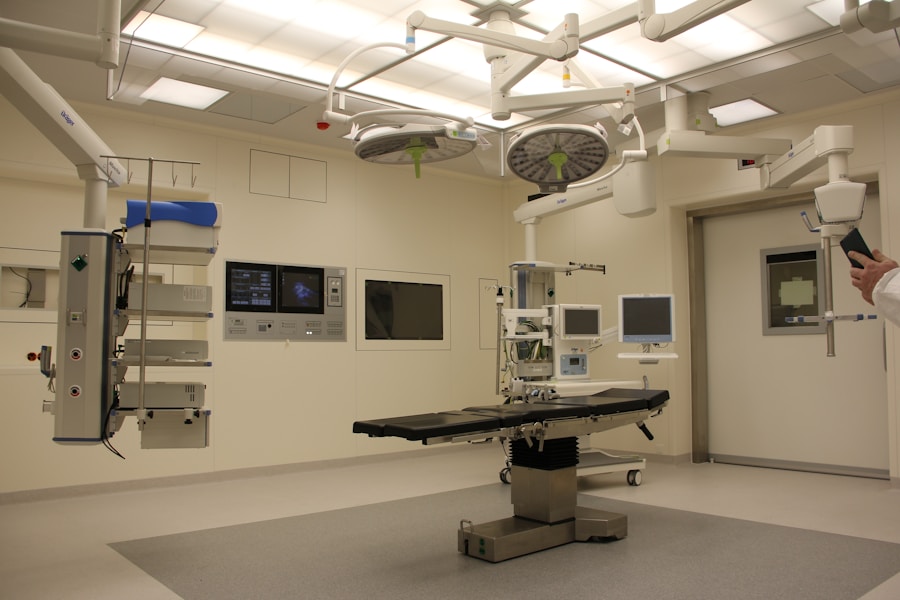
India offers tertiary cancer centres, multidisciplinary specialists, advanced imaging, modern operating theatres, and international patient departments. For families considering retroperitoneal tumor treatment in India, diagnosis, surgery, pathology, and follow-up can be coordinated within one hospital network. Treatment expenses may also be lower than in many Western healthcare systems.
Patients seeking a GI oncology surgeon India can access English-speaking teams and support for travel and accommodation.
Why Choose CureBridge?
Planning surgery from another country involves more than choosing a doctor. CureBridge helps with:
Medical-record and scan coordination
Online consultation or second opinion
Hospital and specialist matching
Support in identifying the best retroperitoneal tumor surgeon in India
A personalized treatment plan and preliminary estimate
Appointment, admission, and surgery coordination
Visa, airport, accommodation, and interpreter support
Follow-up after returning home
If you are comparing retroperitoneal tumor surgery in India, this end-to-end coordination can make the journey easier to manage.
For related cancer services, read about Oncology Treatment in India.
Next step
Get a free medical opinion
Send your reports and a specialist will confirm whether this procedure suits your case.
Talk to a care advisor
At a glance
Speciality
Gastroenterology
Condition group
Abdominal Tumour Surgery
Reported success rate
Keep exploring
Other treatments performed by the same specialist teams.

Oesophageal & Upper GI
Esophageal Diverticula & Benign Tumours

Hernia Surgery
Inguinal Hernia Repair
Hernia Surgery
Ventral Hernia Repair

Intestinal & Colorectal Surgery
Intestinal Stoma Surgery

Intestinal & Colorectal Surgery
Enteric Fistula & Abdominal Abscess
Abdominal Tumour Surgery
Retroperitoneal Tumour Surgery
Our care team reviews your reports and returns a hospital shortlist with a recommended treatment plan, usually within 24 hours.
Talk to a care advisor
What is a retroperitoneal tumor?
It is a growth behind the abdominal lining that may arise from fat, muscle, nerves, blood vessels, or nearby organs.
Are all these tumors cancerous?
No. Some are benign cysts, schwannomas, or other non-cancerous growths. Imaging and pathology guide retroperitoneal tumor treatment in India.
What tests are needed before retroperitoneal tumor surgery in India?
Most patients need CT or MRI scans, blood tests, specialist review, and sometimes a core needle biopsy.
Is minimally invasive surgery possible?
It may suit selected small tumors. Large or complex masses usually need open surgery.
How do I choose a GI oncology surgeon India patients can trust?
Look for a surgical oncologist experienced in complex abdominal tumors who works with a multidisciplinary team.
What is the retroperitoneal tumor surgery cost India hospitals may quote?
The cost depends on tumor size, surgical approach, organ involvement, hospital stay, and the number of specialists required.
How long is recovery after retroperitoneal tumor surgery in India?
Hospital recovery takes several days, while full recovery may take two to three months or longer.
Can the tumor return after surgery?
Yes, some tumors can recur. The risk depends on the tumor type, grade, margins, and biology.
Which is the best hospital for retroperitoneal tumor treatment?
The best centre is one with relevant surgical oncology experience and the specialists needed for the operation.
How can an international patient get started?
Share your scans, biopsy report, medical history, and symptoms with CureBridge. You can book free consultation for tumor surgery to receive a specialist opinion, hospital recommendation, and preliminary estimate before travelling for retroperitoneal tumor surgery in India.